Once you can launch, steer and come home, the water starts to tempt you sideways. Not faster, not further out to sea, but stranger. A round boat made of willow. A raft you can fold into a rucksack. A canal village with no roads. These outings are some of the best days a beginner can have, provided they are treated with the same care as any crossing. Odd does not mean careless.
The coracle: a boat that spins
Coracles are small, round, single-person boats traditionally woven from willow or ash and covered in hide, later calico and pitch. They are still made and fished from on Welsh rivers such as the Teifi and the Tywi, and the Ironbridge area of Shropshire has a long coracle tradition. You paddle from the front with a figure-of-eight stroke, and for the first ten minutes you will mostly rotate. Several heritage centres and river festivals offer taster sessions, which is the right way to begin: calm water, a bank within reach, someone who knows the craft.
Packrafts: walk in, float out
A packraft is a light inflatable boat, often under 3 kg, that rolls into a backpack. Hikers use them to cross lakes and float down gentle rivers instead of walking round. The appeal is obvious; so are the risks. Packrafts are blown about easily, so stick to sheltered tarns and slow flat rivers until you have paddled in wind. Always wear a buoyancy aid, carry a repair kit, and remember that mountain water is cold even in July.
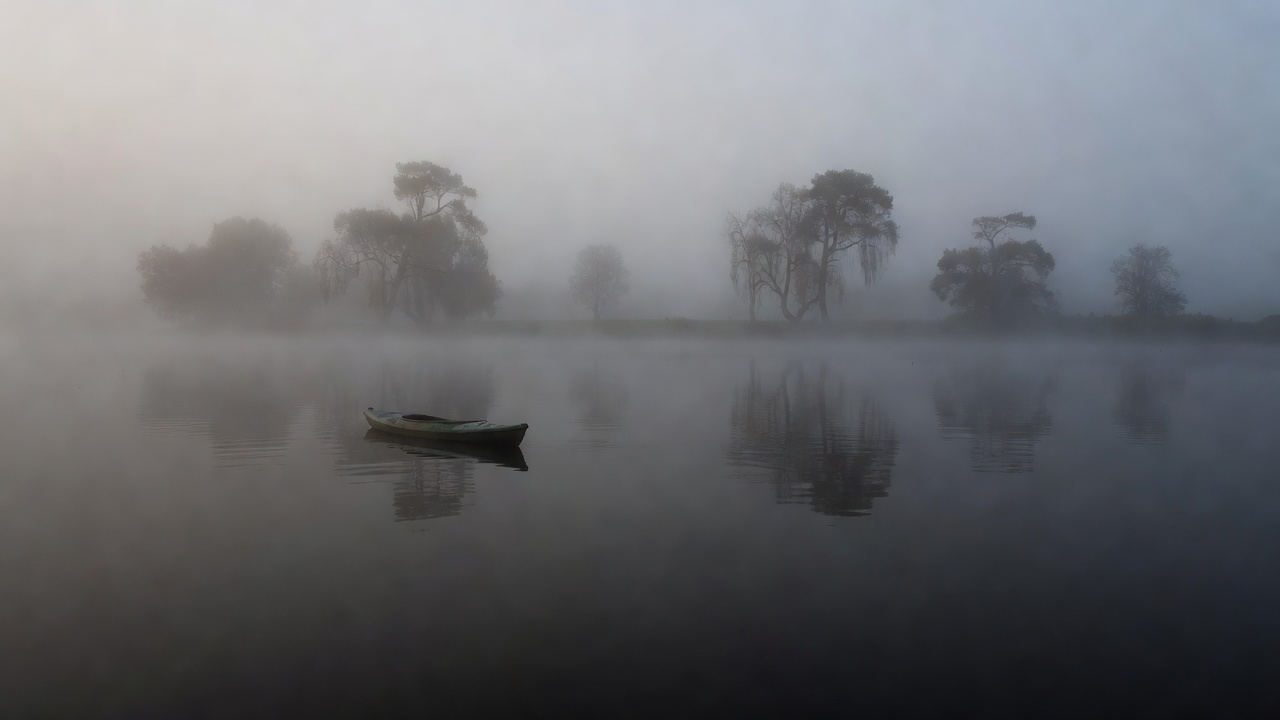
Fog paddles at first light
A still dawn on a lake, mist sitting on the surface, is unforgettable. It is also the moment you can lose sight of every landmark in thirty seconds. If you go, pick a small, enclosed water you know well, follow the shoreline rather than crossing open water, carry a whistle and a light, and tell someone your route. On any water with powered traffic or ferries, stay ashore in fog. Nobody can see you, and you cannot see them.
Broads, canals and slow water
Not every adventure needs wind. The Norfolk Broads in England offer miles of lock-free rivers and lakes where day boats, canoes and traditional sailing cruisers can be hired. In the Netherlands, the village of Giethoorn is threaded by canals best explored in small electric "whisper boats" or by canoe. Slow water teaches boat handling, right-of-way and patience, and it is wonderful on a grey day when the coast is too lively.
Lakes with predictable wind
Some lakes are famous for regular thermal winds. Lake Garda in northern Italy has a northerly breeze, the Pelèr, in the mornings and a southerly, the Ora, in the afternoons on settled summer days. Predictable patterns make planning easier, but they also mean the wind can build quickly at a known hour. Learn the local rhythm from a sailing school before going out alone.
Stories that started small
Read a little before you go. Arthur Ransome's Swallows and Amazons, inspired by Coniston Water and Windermere in the Lake District, has sent three generations of children out in small sailing dinghies. Frank and Margaret Dye's open Wayfarer voyages across the North Sea, told in Open Boat Cruising, show what a modest dinghy can do with exceptional skill. Note the last two words. Their trips were planned for years.
LOG NOTE · INSTRUCTOR
The best odd adventure has a boring plan: a launch point, a turn-back time, a person ashore and a dry bag of warm clothes. Write those four things down and the strangeness becomes the fun part.